

THE DISTURBING TRUTH ABOUT CHOLESTEROL
“Cholesterol free”, “Lowers cholesterol” are just but a few labels on popular oil brands in any Kenyan supermarket which insinuate the need to avoid cholesterol. However, on the contrary, studies have shown that a certain amount of cholesterol is in fact beneficial or do not harm the human body.
According to the US National Center for Biotechnology Information (NCBI), a 2014 survey of about 636,151 individuals from 15 countries at risk of cardiovascular disease and type II diabetes was carried out. It was discovered that consumption of butter which is considered to have high cholesterol, was inadequately associated with mortality rates among the individuals surveyed.
Cholesterol, the feared substance, is a waxy compound similar to the texture of molten candle wax. It is a type of fat called “sterol” which is found in the tissues of plants and animals. The human body’s liver manufactures cholesterol. The liver uses cholesterol to make bile which is plays an essential role in processing and digestion of fats. Other sources of cholesterol come from the diet.
Before we delve into the good and bad cholesterol sources, it is important to understand the benefits of cholesterol in the human body. Jennifer Moll, author of “Why Some Cholesterol Does Good in Your Body” has given a list of activities in how cholesterol plays a role in the body.
First of all, cholesterol is important in the creation of critical hormones such as cortisol the stress hormone. Cholesterol also makes sex hormones such as testosterone, progesterone and estrogen.
While cholesterol plays a role in forming and maintaining cell membrane and structures, it is used by nerve cells for insulation. It can also be inserted between fat molecules that make up the cell and make the membrane more fluid. Cells also rely on cholesterol to help them adjust to changes in temperature.
However, there are various forms of cholesterol HDL (High density Lipoprotein), LDL (Low-density lipoprotein) and VLDL (Very low-density lipoprotein). They are a combination of fat lipids and protein.
HDL is considered as “good cholesterol” as it carries cholesterol from parts of your body to the liver. The liver then removes the cholesterol from the body.
LDL on the other hand is considered as “bad cholesterol” due to the fact that increased LDL levels lead to build up of plaque in the arteries just like its sister VLDL. However, VLDL carries triglycerides which are referred to as blood fats while LDL mainly carries cholesterol.
Now that we understand the good and bad forms of cholesterol, we can venture into the dietary sources of good cholesterol.
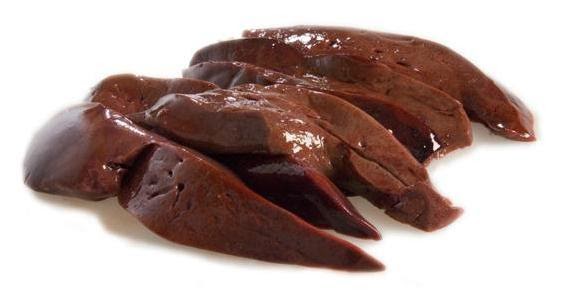
Good sources of foods that have good cholesterol include: One cup of full-fat yogurt which contains 31.9 mg of cholesterol. Fish of about 92 grams of sardines contains 131 milligrams of cholesterol. Other dietary sources good cholesterol includes organ meats such as liver, kidney and heart and dairy products such as eggs and cheese.
On the other hand, bad cholesterol dietary sources include processed meats such as bacon, hot dogs and sausages of which have been linked to the risk of developing cardiovascular disease. Fast foods such as French fries and fried foods such as deep fried meats can also lead to a rise in bad cholesterol levels in the body.